
In White City, public art has become more than something to look at. It is something people feel connected to, talk about, and enjoy together.
Just three years ago, public art in White City began with a few individual pieces. Since then, it has grown into a thoughtful community‑focused program that reflects local identity and brings people closer to the places they use every day. Along the way, White City learned that art doesn’t just decorate spaces – it helps define them.
“Public art matters here because it tells our story,” says Ruchelle Himmelspeck, Manager of Parks, Recreation and Culture. White City is a community shaped by growth, change, and strong shared values. Public art brings those stories to life in visible ways. Each piece shows where the community has come from and where it is going. It celebrates local history while leaving space for new ideas and perspectives.
Ruchelle describes, “Art also changes how people experience a place. It creates emotional connection and sparks curiosity and pride.” Public art adds value to spaces people already use – parks, buildings, and gathering areas, without the need to build something new.
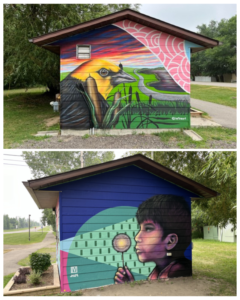
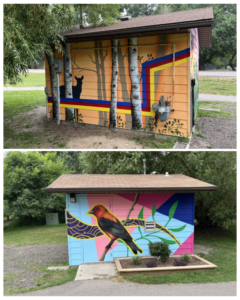
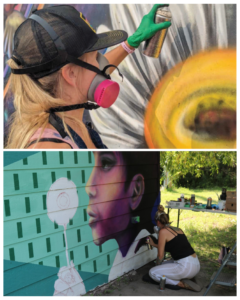
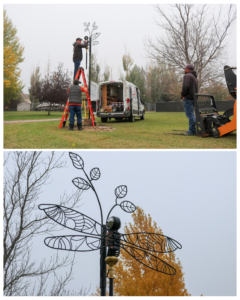
The journey began in 2023 with five paintings by local artist DeLee Grant, installed in the Community Centre. This brought art into one of White City’s busiest and most important gathering spaces. In 2024, the program grew outdoors with a mural by Ingrid Van Opstal, helping make public art more visible and encouraging community conversation. In 2025, Council approved the Dragonfly Sculpture by Bruno Van Opstal. The sculpture now stands as a permanent outdoor landmark and a focal point in a key public space. Looking ahead, another mural project is planned for 2026, continuing this momentum.
Council’s support for community vibrancy, placemaking, and cultural development made this program possible. Administration supported that vision by creating a clear and transparent process for working with artists. A simple Request for Information process made it easy for local artists to participate and ensured each project reflected White City’s values and identity.
Community engagement didn’t stop once the art was installed. Instead of creating new programs, art was added into existing activities. During Summer Play programs, children created paperclip dragonflies inspired by the Dragonfly Sculpture. This hands‑on activity helped kids connect creatively with the artwork and see public art as something fun and welcoming.
Over time, something special has happened. The Dragonfly Sculpture has become more than just a piece of art. It is now a meeting spot, a landmark, and a shared reference point. People use it to give directions and describe the park. It has quietly become part of how the community understands and talks about the space.
This is the true legacy of public art in White City. Spaces become more than functional – they become meaningful. Art becomes more than visual – it becomes part of everyday life. These pieces are shaping how places are remembered, valued, and loved.